

Like dolphins in the sea, successful businesses navigate the dynamic market waters with adaptability, teamwork, and a focus on effective communication, always aiming to stay ahead and thrive.
At Innovid, a UI/UX Design Company, we strongly believe that in order to create a product or a service that resonates with the user, it's crucial to understand their perspective by stepping into their shoes. And this is why we follow the principle of empathy in design.
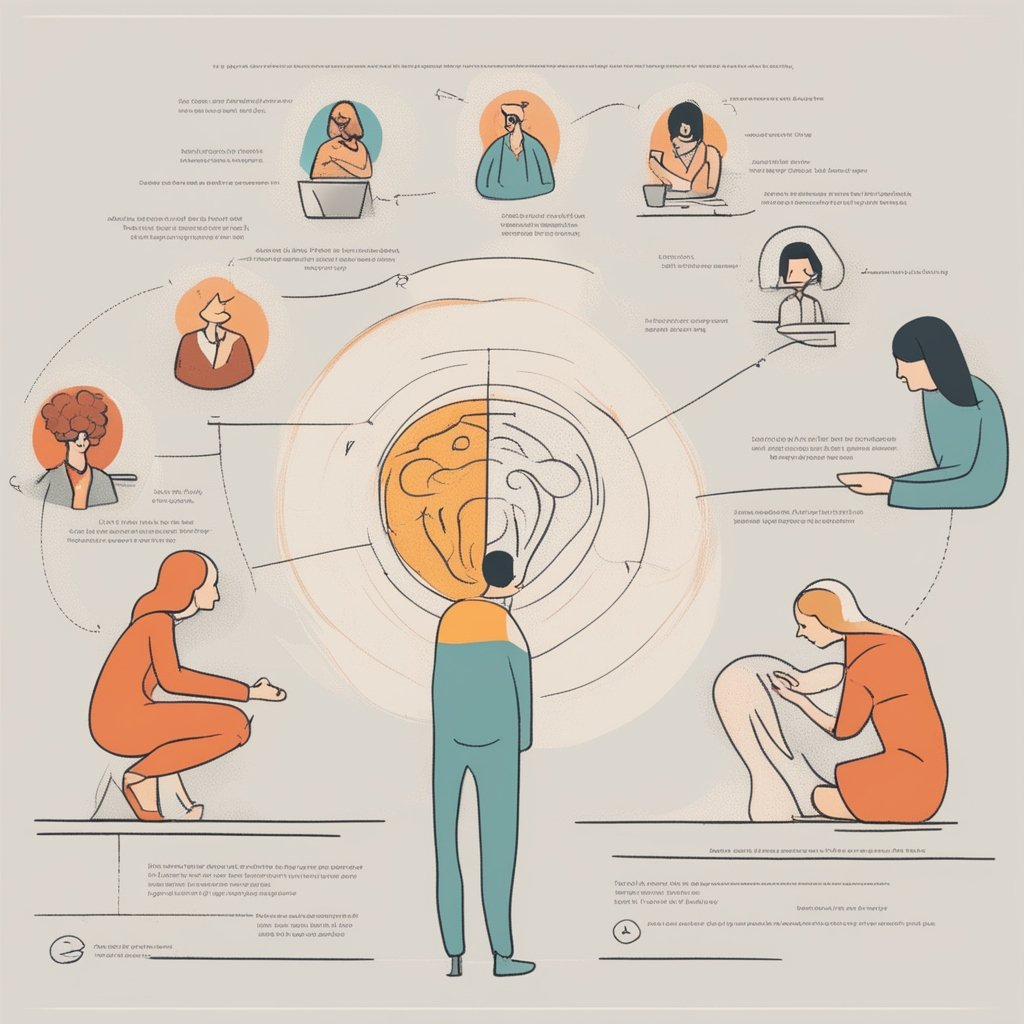
For any successful design, empathy has to be the cornerstone. The degree to which you understand and show empathy towards your users is the deciding factor in your design's success. Will it turn out user-friendly, effectively addressing their needs, or will it fall short due to a lack of insight into your users' perspectives?
Empathy in the design process can be explained as “a deep understanding of the problems and realities of the people you are designing for.” Let us see how, at Innovid, we use this dolphin trait to enhance our client's experience
Empathy helps designers see the world through the eyes of their target users. This understanding allows them to create products, services, and experiences that genuinely cater to the users' needs, preferences, and pain points.
Empathy enables our researchers to identify the root causes of a problem by immersing themselves in the users' context. This results in more accurate and relevant problem statements, which are critical for effective problem-solving.
Involving users in the design process through interviews, observations, and feedback sessions fosters a sense of ownership and fosters trust. This enhanced collaboration between the key members leads to user acceptance and the successful adoption of the final design, thereby filling any gaps.
Empathetic design results in products and services that are more intuitive and user-friendly , reducing the learning curve for users and enhancing overall usability. By fostering empathy, researchers can create products and experiences that are more meaningful, effective, and user-centric. Better interaction leads to a precise understanding of every client’s needs, which consequently helps us improve their profits.

The primary aim during the empathise stage is to uncover latent or unexpressed user needs and behaviours. For our researchers, it becomes critical to differentiate between what users claim they would do in a particular scenario and their actual actions. Often, users may possess unacknowledged habits or desires, underscoring the importance of direct user observation.
Just like dolphins are known for their empathetic nature, we at Innovid would like to be recognised for our sensitivity to empathise by stepping into someone else's perspective. This will allow us to gain a genuine understanding of the user’s viewpoint within a specific context or circumstance. Let us show you how, at Innovid, we put our clients first.
At Innovid, we know why empathy stands as a pivotal principle in user-centric design. It serves as a continuous reminder that we are not the users. We differ from them. Thus, we consistently endeavour to gain insights about them through these strategies:

In the design process, the research goal with empathy is to deeply comprehend users' experiences, emotions, and needs. This empathetic research empowers our team to create solutions that genuinely address real-world issues, fostering a stronger collaboration between users and the products or services and ultimately leading to more successful and user-centred design solutions.
Here, we encourage users to share their personal stories and experiences. Storytelling helps designers empathise with users on an emotional level. We try to involve users in the design process through co-creation workshops or feedback sessions. This ensures their input and needs are integrated into the final design.
Analysing and synthesising data with empathy is essential in the design process to create solutions that truly resonate with users. Empathetic data-driven design ensures products and services resonate on a human level, leading to more meaningful and user-centric solutions.
Effective design involves communicating and applying insights with empathy. Our researchers understand the users' perspectives and feelings and then design products that meet genuine needs. Empathetic communication thus fosters collaboration and results in more meaningful solutions.
Conduct in-depth interviews with the target audience to gain insights into their daily lives, challenges, and aspirations. Open-ended questions and active listening are crucial in these interviews.

For us, empathy is synonymous with research. We need to understand the users’ dimensions of use and their feelings before we start working towards satisfying them through our design. It is our endeavour to adapt to changing design trends, technologies, and client needs to thrive in a dynamic industry.
Empathy isn't solely a fundamental component of design thinking but also plays a crucial role in user centred design and user experience (UX) design. When our design team remains attuned to the lived experiences of the users and is dedicated to assisting individuals in solving genuine problems, we’ll gain invaluable insights that can be transformed into products and services that resonate with the users.